
Five checks before committing to repeat production.
The sample sleeve fits, and the measurements in its inspection report are within tolerance. Before releasing a much larger order, check whether those results provide a sound basis for approving repeat supply under the planned production conditions.
On 1 July 2026, AIAG announced its joint SPC manual with VDA, bringing their statistical process control approaches into a common framework. For buyers of machined parts, the announcement is a reminder to check what production evidence supports an approval. The following checks are practical purchasing recommendations; the required approval package varies by customer. [1]
Compare how the samples were made with the process proposed for series production: material condition, stock form, machine, workholding, operation sequence and finishing. Record any differences before approving the next production run.
A sleeve machined in one setup may later need a separate operation for a cross-hole. A manually finished sample may involve work that has not yet been included in the production cycle. Neither change automatically makes the route unsuitable, but both need assessment.
Ask which parts came from the intended production setup and which received additional adjustment or rework. If an early sample used a temporary method, agree what must still be demonstrated using the production process.
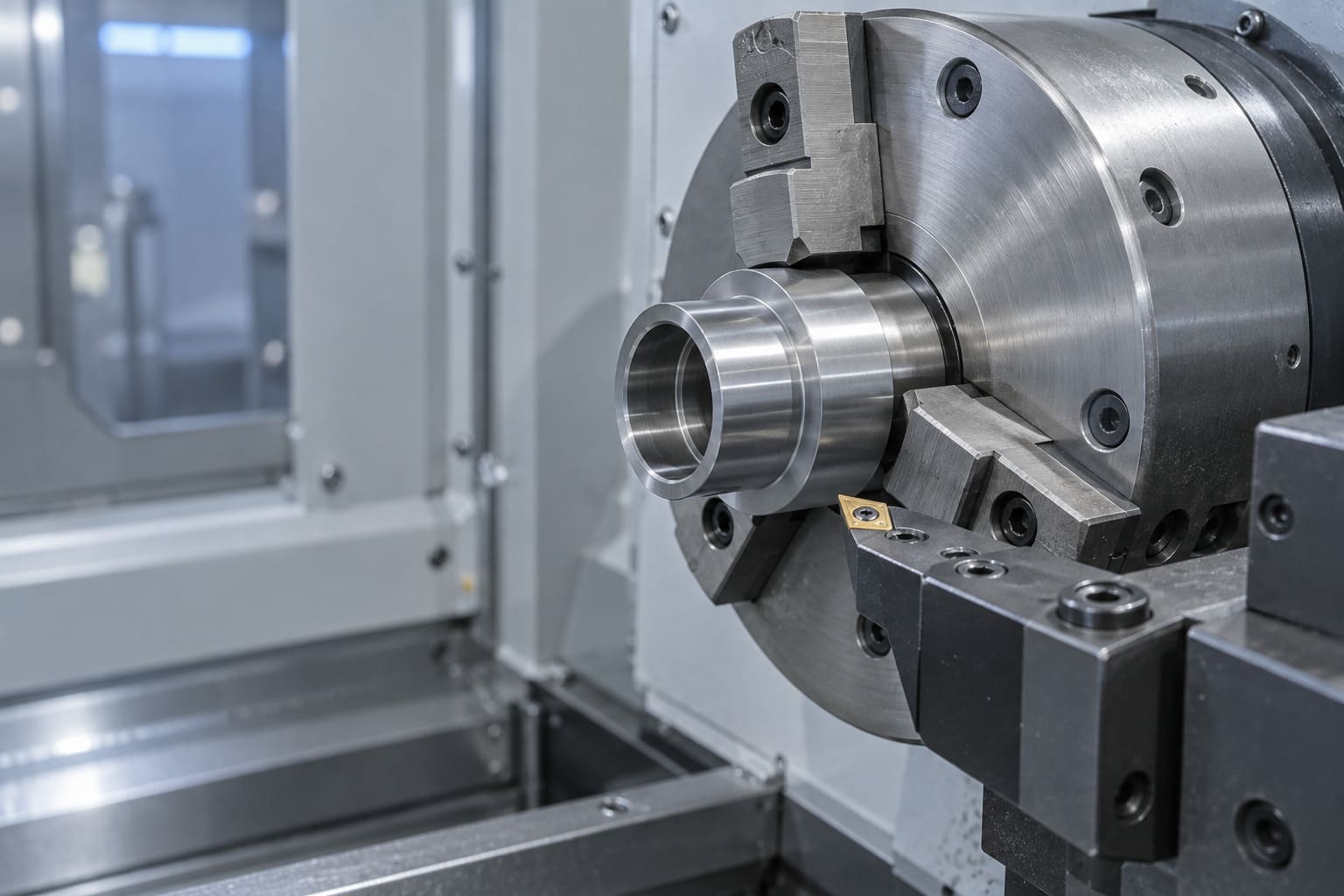
Workholding is part of the production route. AI-generated illustration.
For a shaft or sleeve, identify the features that govern fit, location or sealing. Then agree the datum setup, instrument, measurement positions and part condition. State whether acceptance applies before or after coating, and whether the part is measured clamped or free.
A report stating ‘bore diameter passed’ leaves questions unanswered if the drawing also controls bore form or position. Define the measurements needed for each requirement.
Check that the measurement system is suitable for the tolerance and production use. Where required, agree a measurement system analysis, including repeatability and reproducibility. A calibration certificate alone does not establish how consistently different operators measure this particular feature. [2]
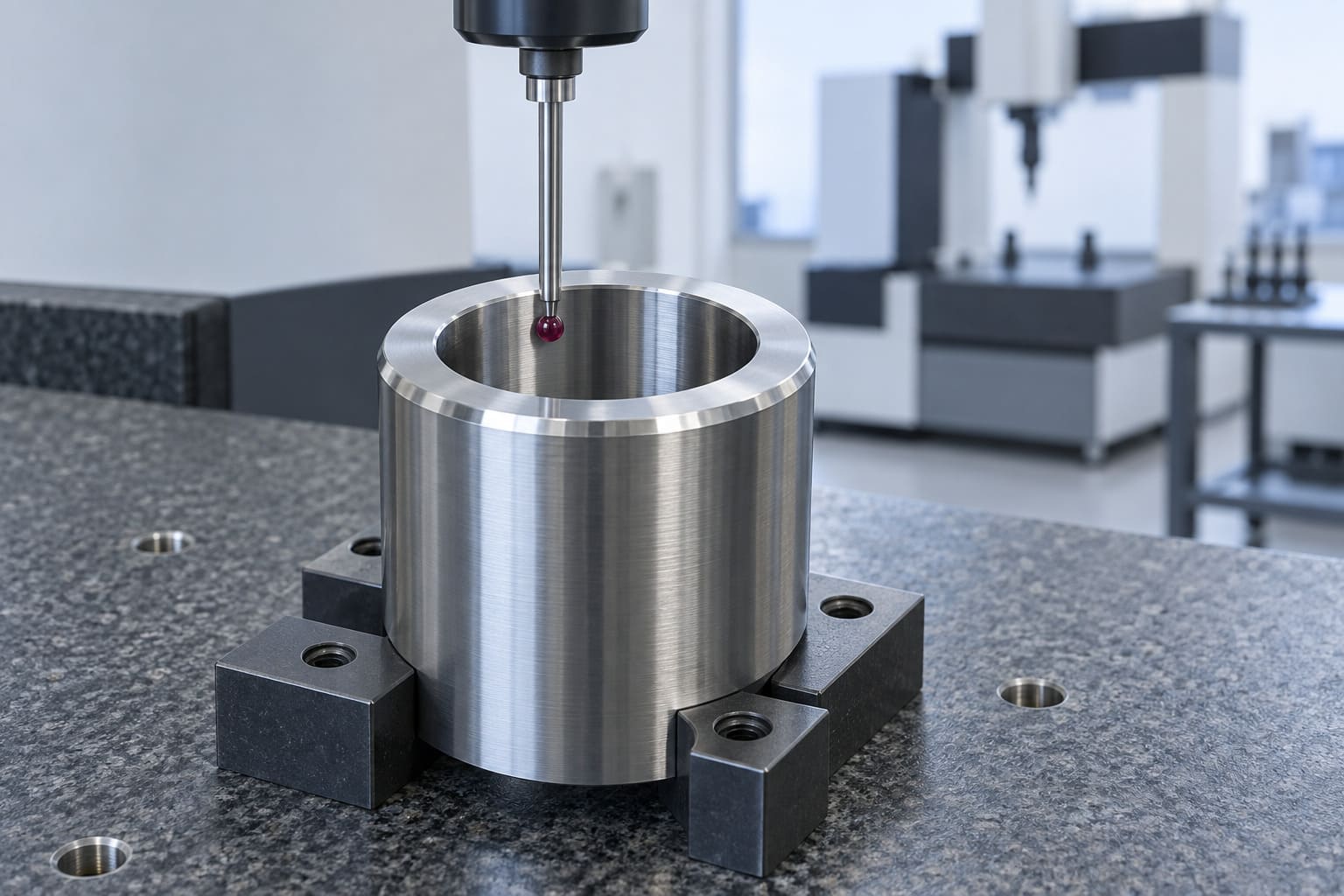
Agree the feature, datum and measurement method. AI-generated illustration.
Several acceptable measurements do not show what happens across a production run. Ask when the data were collected, how parts were selected, and which machines, shifts, material lots and tool changes they represent. Keep the measurements in their original sequence for review.
Process capability assessment depends on understanding process stability. If a report includes Cpk or Ppk, confirm the calculation method, sampling plan and acceptance criteria. Do not treat the two indices as interchangeable or combine data from different process streams without justification. [3] [4]
For a small order, there may be insufficient data for a useful capability study. Agree an inspection and release plan suited to the risk, and state what the available evidence can support. A general claim about the company's process capability does not show whether each drawing requirement can be met.
The control plan should explain who checks the feature, how often, and what triggers action. Specify the response to both a process warning and an out-of-tolerance result. Control-chart limits and drawing tolerances serve different purposes. [5]
For example, after a turning tool adjustment, define the checks required before restarting and how potentially affected parts will be identified and held. Set the scope of that review from the evidence, rather than assuming that only the last part is affected.
Link inspection records to identifiable production lots. This makes containment more precise if a concern is found after shipment.
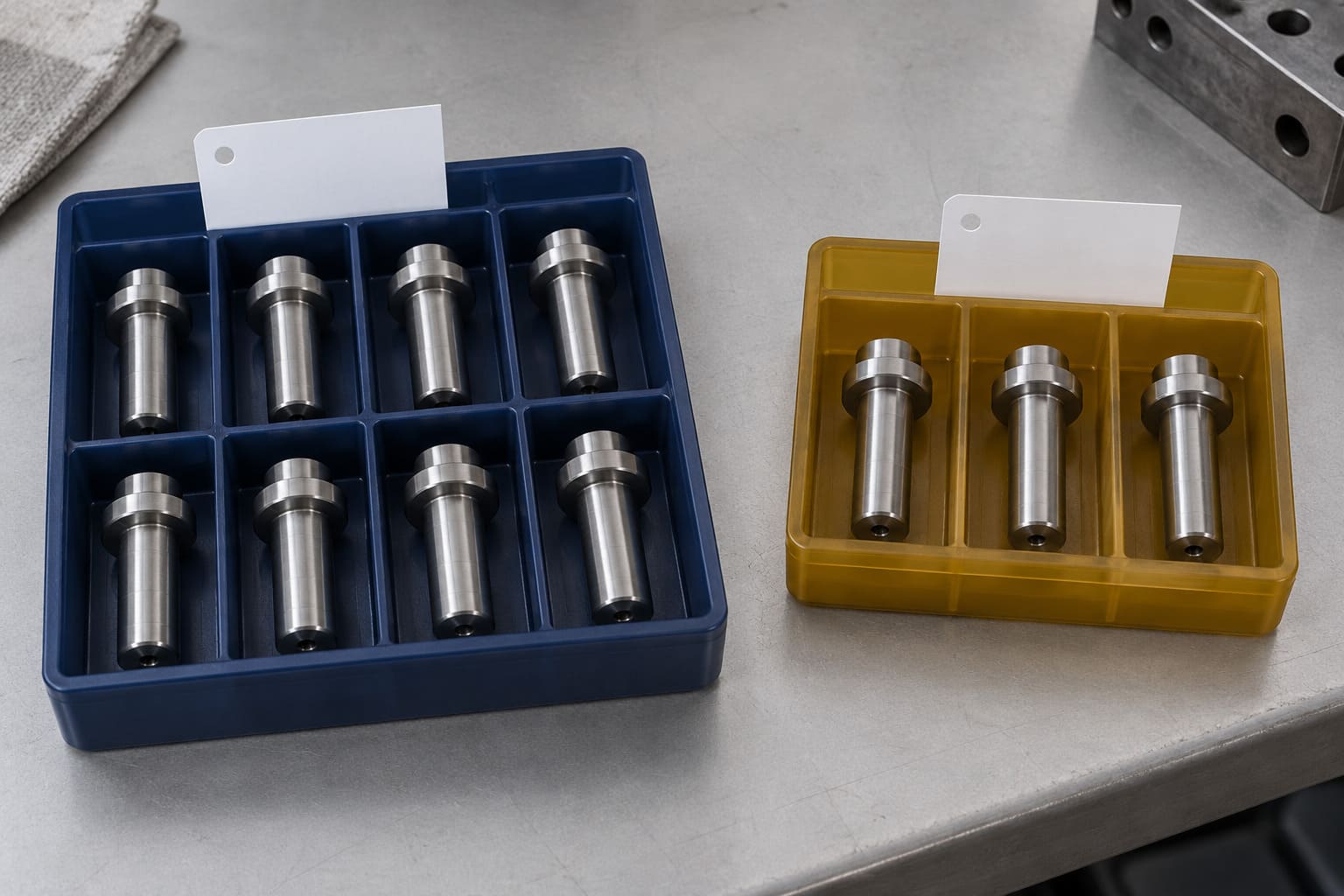
Keep lots identifiable during review and release. AI-generated illustration.
Complete the review against the current drawing revision, material specification, finish and agreed inspection plan. Record outstanding actions, any time-limited concessions, and who can authorise shipment.
Where the customer requires PPAP or another approval process, agree the submission scope before making the batch intended for approval. A dimensional report is only one part of that evidence. [6]
Also agree which later changes require notification or renewed approval, such as moving production, changing a material source or altering an external finishing process. Keep the approved conditions accessible to both purchasing and quality teams.
KingTeam provides CNC turning, milling and Swiss machining, alongside forging and stamping, for custom metal components. If a shaft, sleeve or connector is moving into repeat production, send the drawing, material specification, surface treatment, critical tolerances and expected volumes. We can discuss the machining route, inspection requirements and information needed for your approval process.
Email: kingteam@kingteam-cn.com
Technical references
1. AIAG — Joint AIAG–VDA SPC manual announcement, 1 July 2026
3. NIST — Assessing process stability
4. NIST — What is process capability?
5. NIST — What are variables control charts?
6. AIAG — Production Part Approval Process
Images are AI-generated illustrations, not photographs of KingTeam facilities or evidence of measured results.
 RETURN_LIST